
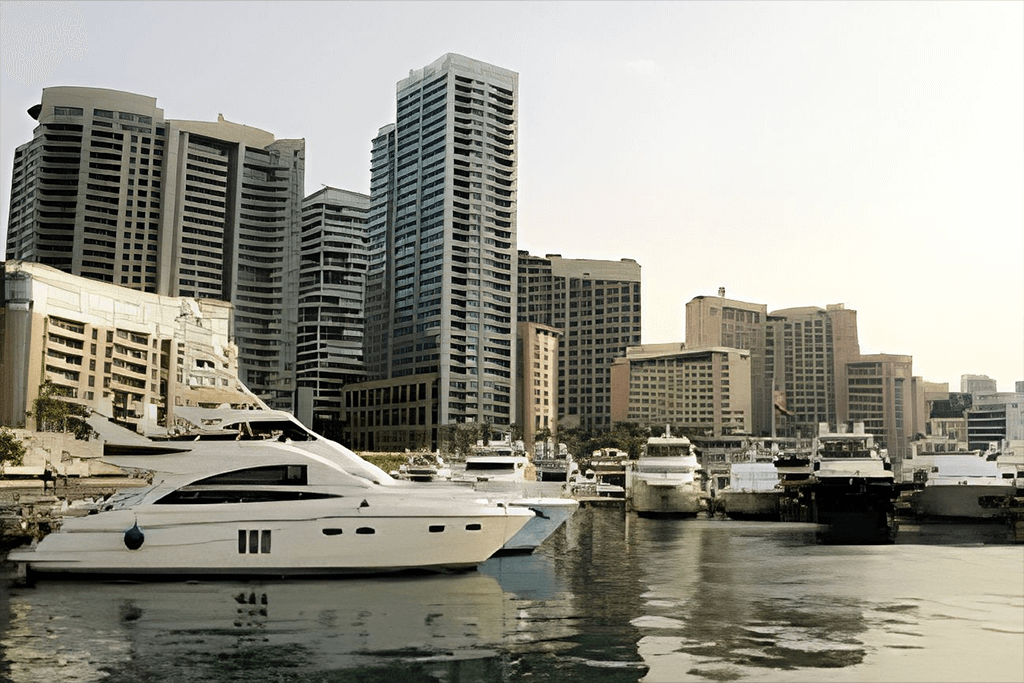
Why Choose Beirut as the Location?
When people hear I’ve set my debut spy thriller, Beirut Extraction, in Lebanon’s capital, the reactions tend to fall into two camps. Some lean in with interest—“Of course, Beirut, perfect!” Others frown, puzzled, as though I’ve chosen a stage too obscure or dangerous for fiction.
The truth is that Beirut is both—perfect and perilous.
For a writer of espionage, the city is a gift. Its streets are a living archive of unresolved conflicts. Ottoman mansions stand beside bullet-riddled concrete shells. Cafés brim with students, traders, and shadowy fixers, while a few blocks away an armed checkpoint halts you in the dust. It is a place where the past has not ended, only layered itself into the present.
To the intelligence world, such a city is irresistible. Old Cold War alliances linger. New patrons—regional and global—jostle for influence. Loyalties are never absolute; they are rented, tested, broken. Every handshake is a question.
That atmosphere is what drew me. I didn’t want a backdrop of gadgets and glamour. I wanted the friction of a real city, with its heat, its blackouts, its sudden generosity, and its hair-trigger mistrust. I wanted readers to feel what it’s like to navigate a place where the line between ally and enemy can shift with the traffic lights.
Beirut is not just a setting—it is a character. Unpredictable, bruised, endlessly fascinating. For the people who live there, it is home. For outsiders—whether diplomats, mercenaries, or my fictional agents—it is a test they may not survive.
That’s why Beirut. Because in a spy story, as in life, the city matters as much as the secrets.